
California Cannabis Lab Results: How Do You Read a COA?
A cannabis COA shows lab results for a specific batch, including potency and applicable contaminant tests. Match its batch number to the package, then check the results, units and pass or fail status.
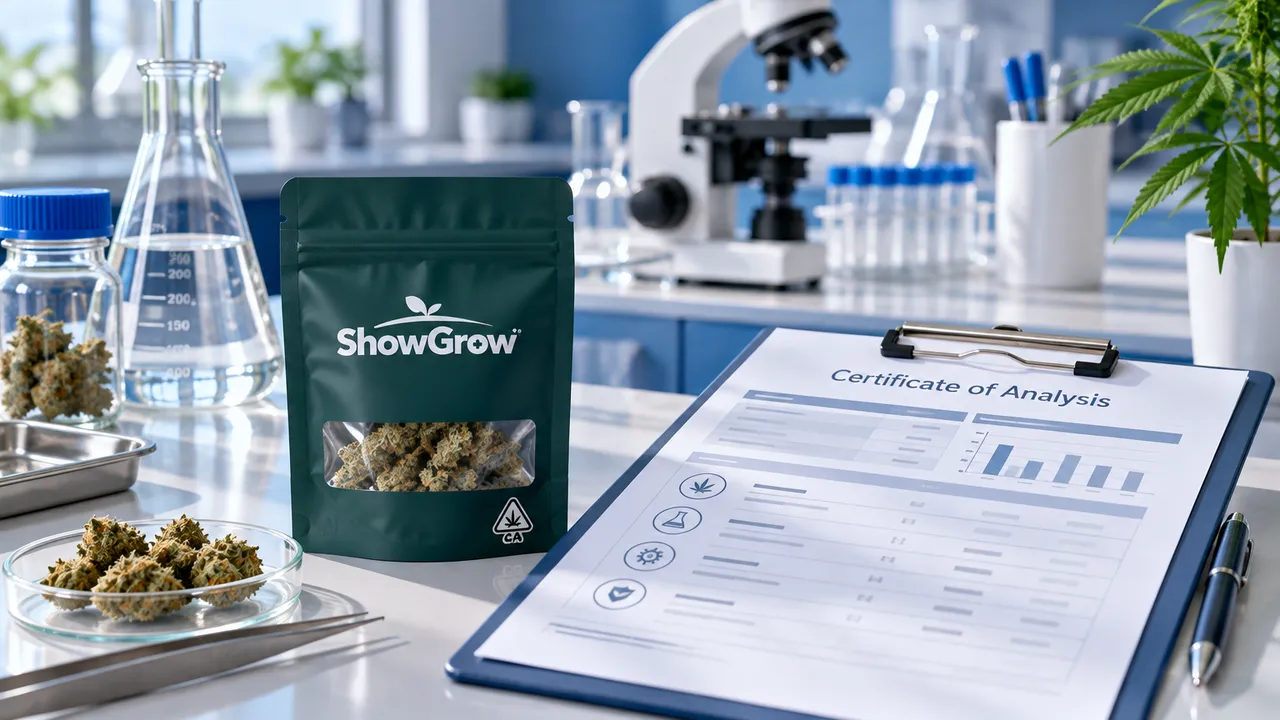
What is a cannabis COA, and how do you match it to a product?
A certificate of analysis, or COA, is a laboratory report for a tested cannabis batch. It typically identifies the sample and lab, lists test results, and indicates whether tested categories meet applicable limits.
Start by matching the product name and batch or lot number on the package to the report. A COA for another batch does not establish the results for yours.
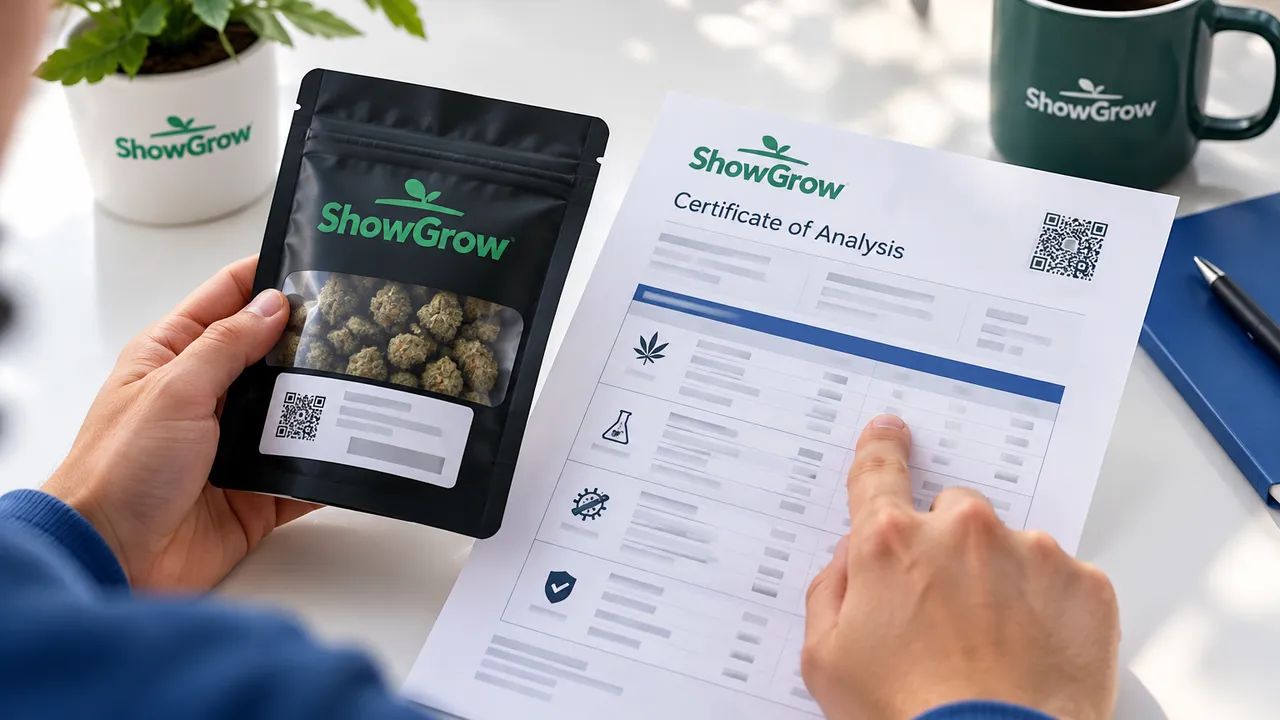
How do you read potency results?
Look for cannabinoid results and their units, such as percentages for flower or milligrams for a packaged edible. Compare the reported amount with the serving and package information on the label.
THCA and THC are different entries. Total THC may be calculated from them rather than simply added together. Our guide to total THC and THCA explains the distinction.
What do contaminant results mean?
Check the results and pass or fail status for each contaminant category shown. California cannabis testing can cover pesticides, heavy metals, microbial contaminants, residual solvents and other analytes, depending on the product and applicable requirements.
A result marked not detected means the lab did not detect the substance at its reporting threshold. It does not necessarily mean none is present. Check the report’s limits and units before comparing numbers.
Where can you request a batch-specific COA?
Ask the dispensary or product manufacturer for the COA associated with the package’s batch or lot number. A package may also have a QR code or website that leads to testing information.
At ShowGrow Long Beach, bring the product details or ask about a listing before ordering. Browse cannabis flower to compare available formats and label information.
What should you check before buying?
Before relying on a report, check that it identifies the right sample and gives you enough information to interpret the results.
- Match the product and batch or lot number to the package.
- Check the laboratory, sample and report dates, and product type.
- Review potency units and the relevant serving or package amount.
- Look for contaminant results and any pass or fail indication.
- Ask the dispensary or manufacturer to clarify missing or unclear information.